PERFORM — ArenaBuddy
Evidence gap.
Measure. Understand. Improve.
Equestrian sport’s social licence — the public’s willingness to accept horses in sport — is weakening. Traditional training still relies heavily on methods developed before behaviour, physiology and biomechanics could be measured objectively. Pressure and control can be mistaken for communication, while established practices are often defended through culture, experience and belief. Spectators can only interpret what they see; equestrians explain what they feel.
Without objective evidence of the horse’s responses, both sides can be left arguing over perception. The public is not the enemy; the evidence gap is the problem. That gap cannot be closed through better marketing. It can only be closed through better evidence — and better practice.
Two species.One athlete.
Change begins with the partnership.
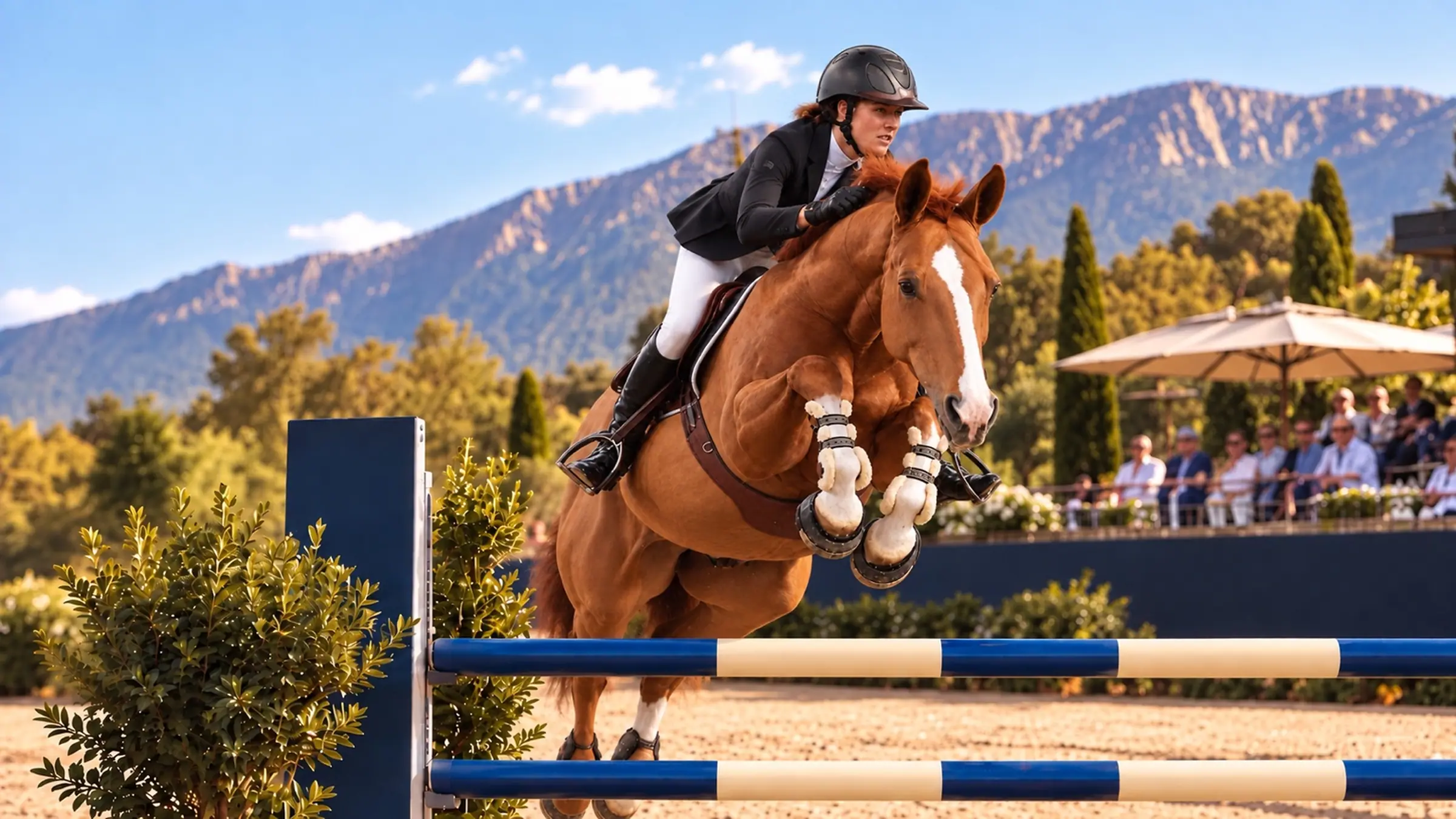
When the rider sits on the horse, the horse becomes an extension of the rider’s body and the human becomes an extension of the horse’s brain. In this arrangement, the horse supplies the movement while the rider largely decides where to go, what to do and when. The horse can become the vehicle through which the rider’s intentions are carried out, with limited opportunity to influence those decisions.
Yet the horse brings intelligence, experience and a nervous system of their own. By paying closer attention to how the horse responds — and making communication clearer in both directions — we can build a partnership in which the horse is understood and can participate more actively. Welfare and performance become shared priorities within the relationship.
Flowpartnership.
Connection transforms performance.
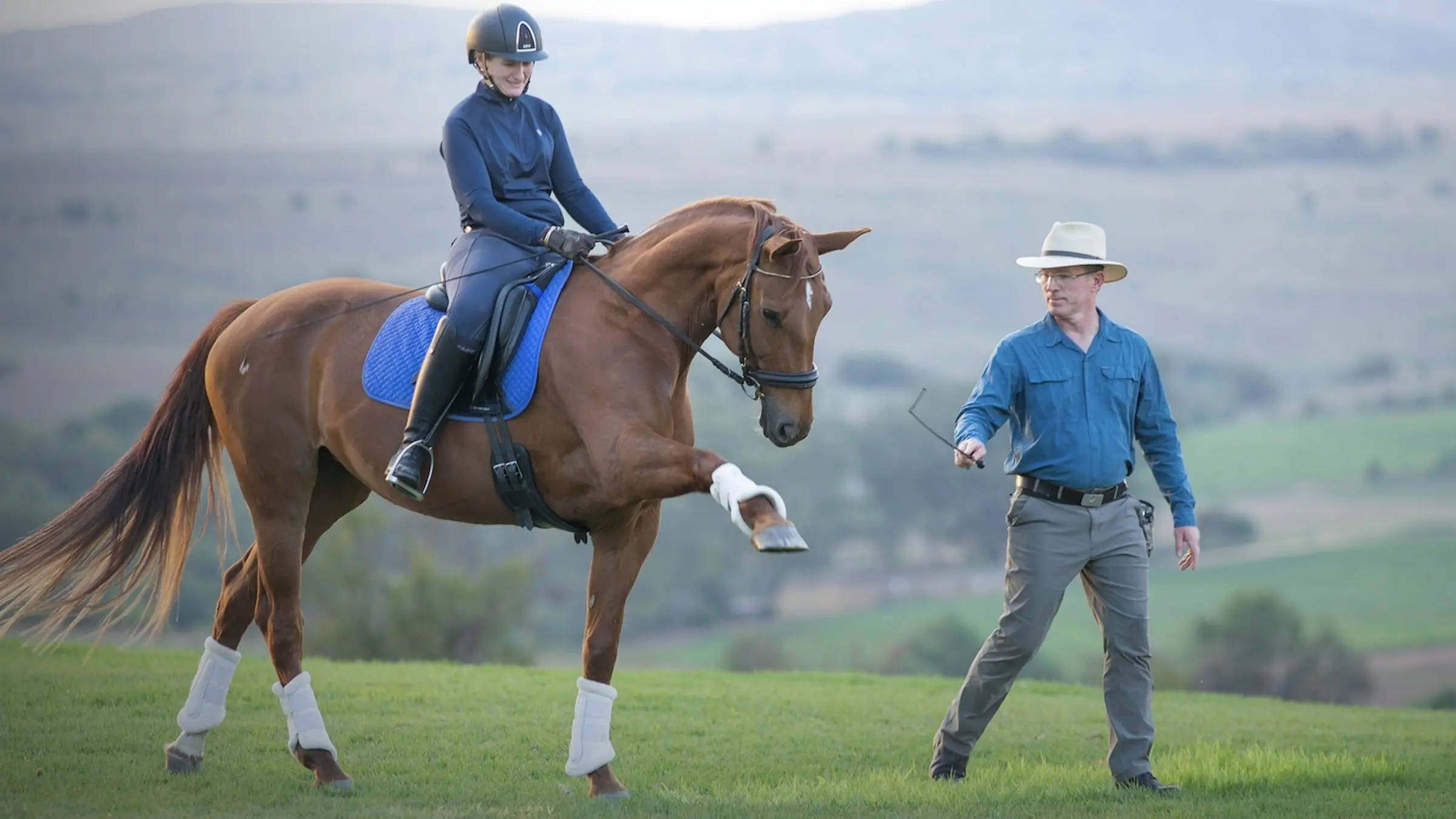
Flow describes an optimal state in human athletes in which attention is absorbed in the task and performance feels fluid, precise and instinctive. Our research question is how the quality of communication between horse and rider relates to the patterns we can observe and measure.
We use Flow Partnership to explore engagement, balance, rhythm, responsiveness and coordination within the partnership. The aim is to identify measurable patterns, understand the conditions associated with them and develop training approaches that support clearer communication and more consistent performance.
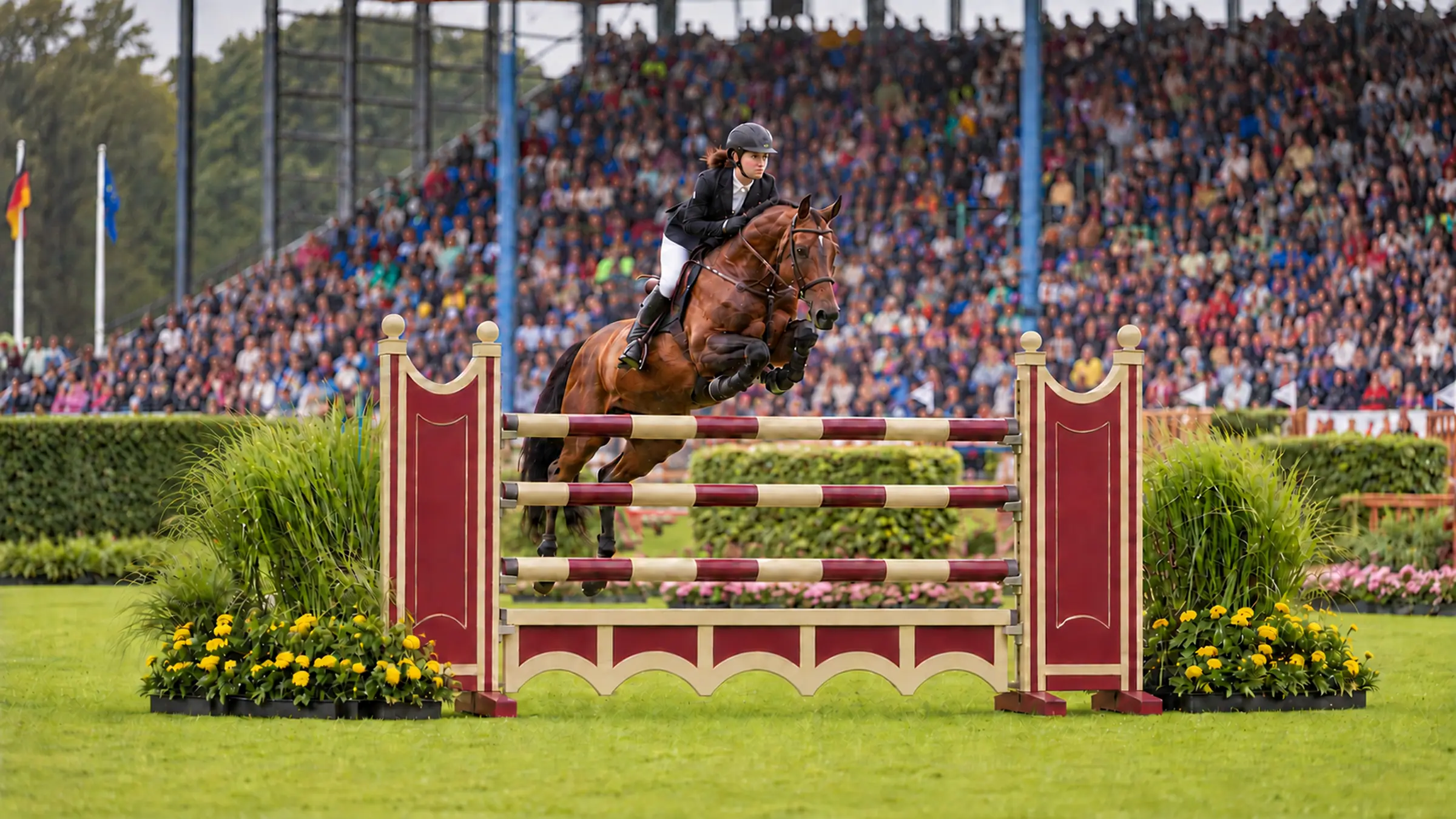
Make theinvisible visible.
From opinion to objective understanding.
ArenaBuddy is a horse-and-rider wearable system in development. Its prototype provides the foundation for investigating how measurements of movement and physiological responses can help riders understand their horse more clearly.
Training.
By comparing measurements over time with each horse’s individual baseline, ArenaBuddy is being developed to support better-informed decisions about training, recovery and workload. These measurements add objective evidence to the rider’s observations and professional judgement, helping them recognise changes in their horse’s response to exercise and adjust their approach with greater understanding.
Flow Partnership.
Connected horse-and-rider data will allow us to investigate patterns of effort, balance, rhythm and coordination, exploring how they relate to the quality of communication within each partnership.
Spectator experience.
In future, selected competition data could help audiences understand more of what is happening between horse and rider. Clear, meaningful information could make the partnership easier to follow and give spectators a deeper appreciation of the performance.
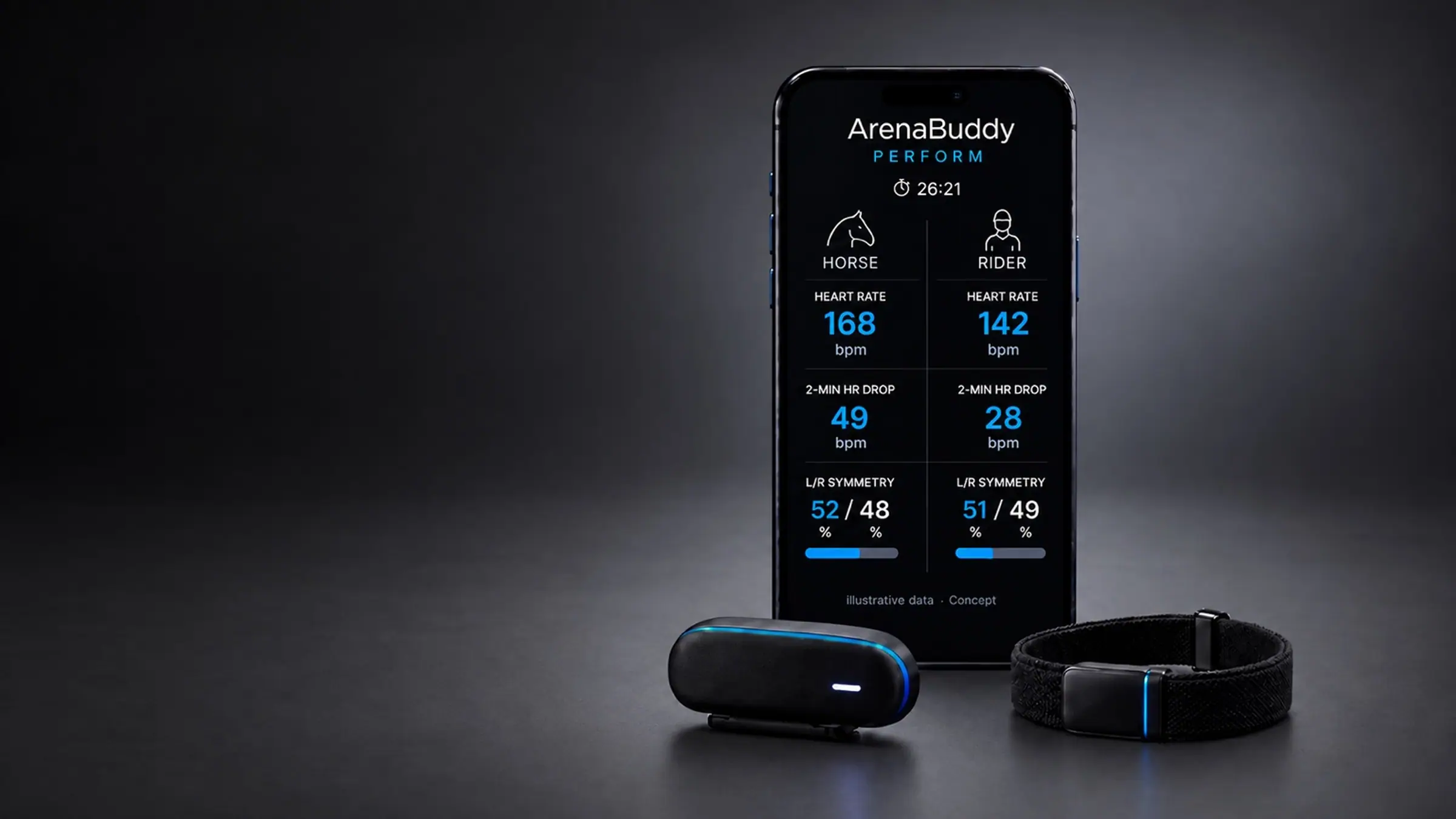
The partnershipmade measurable.
Evidence-based understanding.